Tuesday, June 28, 2016

Why Trump Was Inevitable

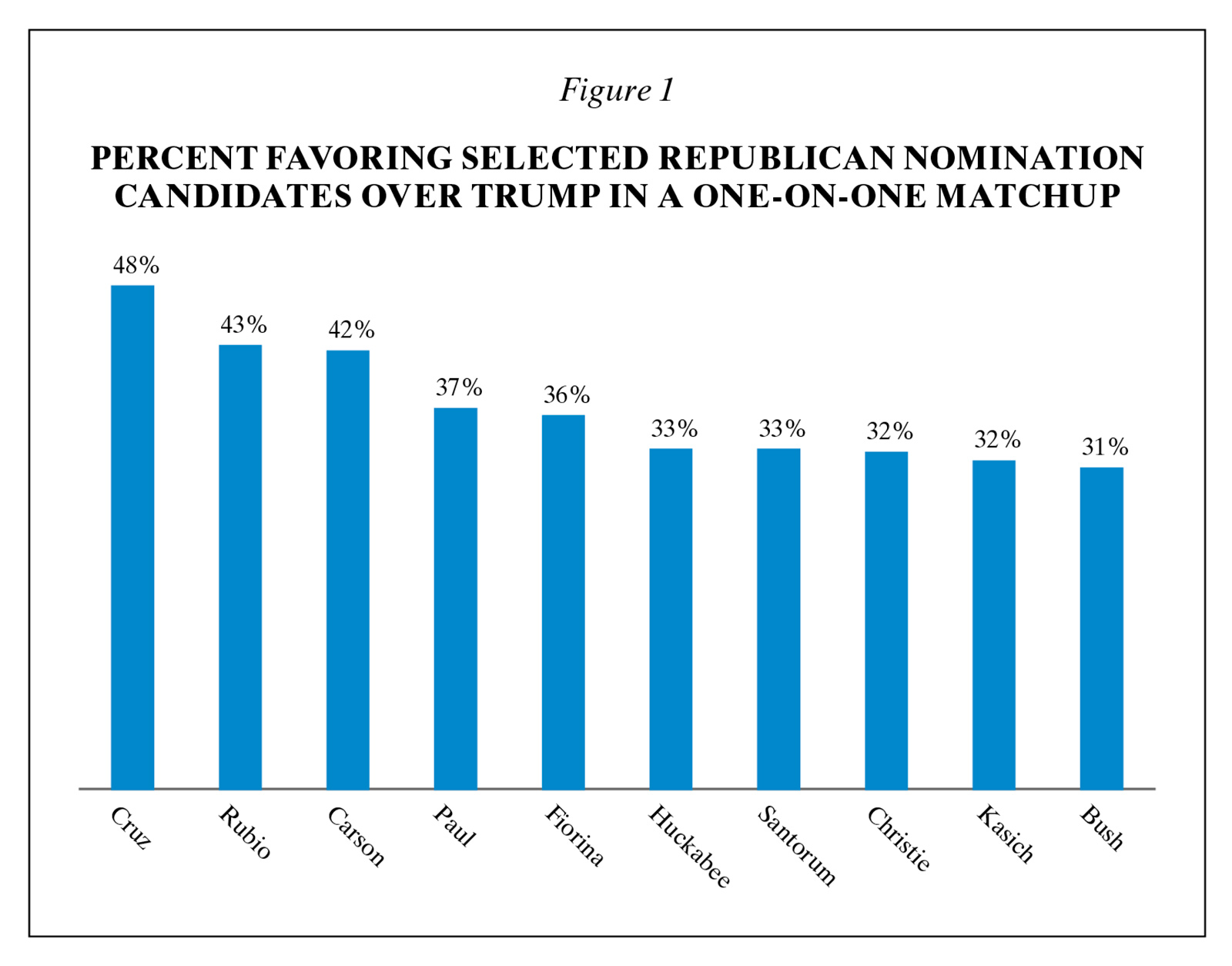
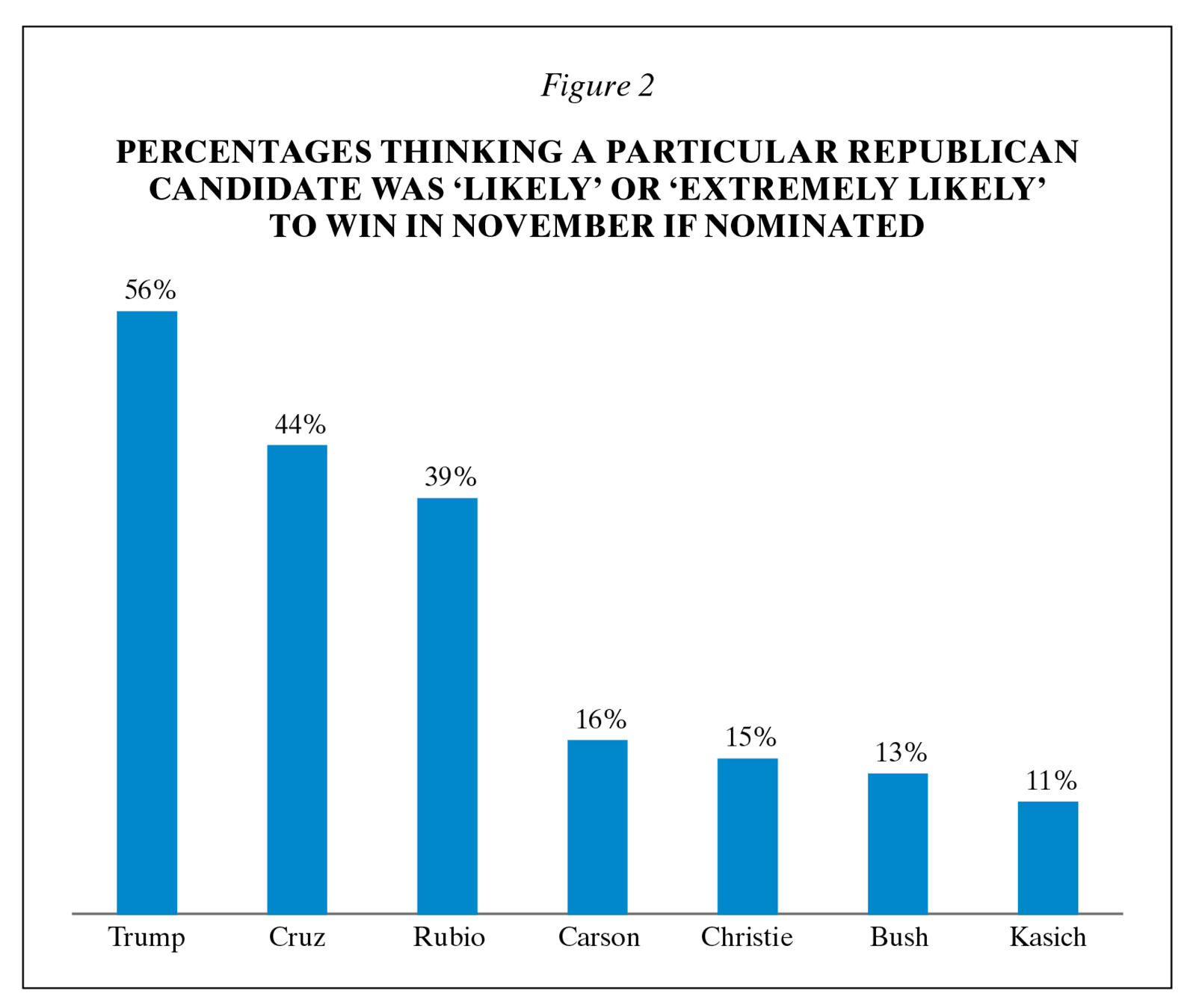
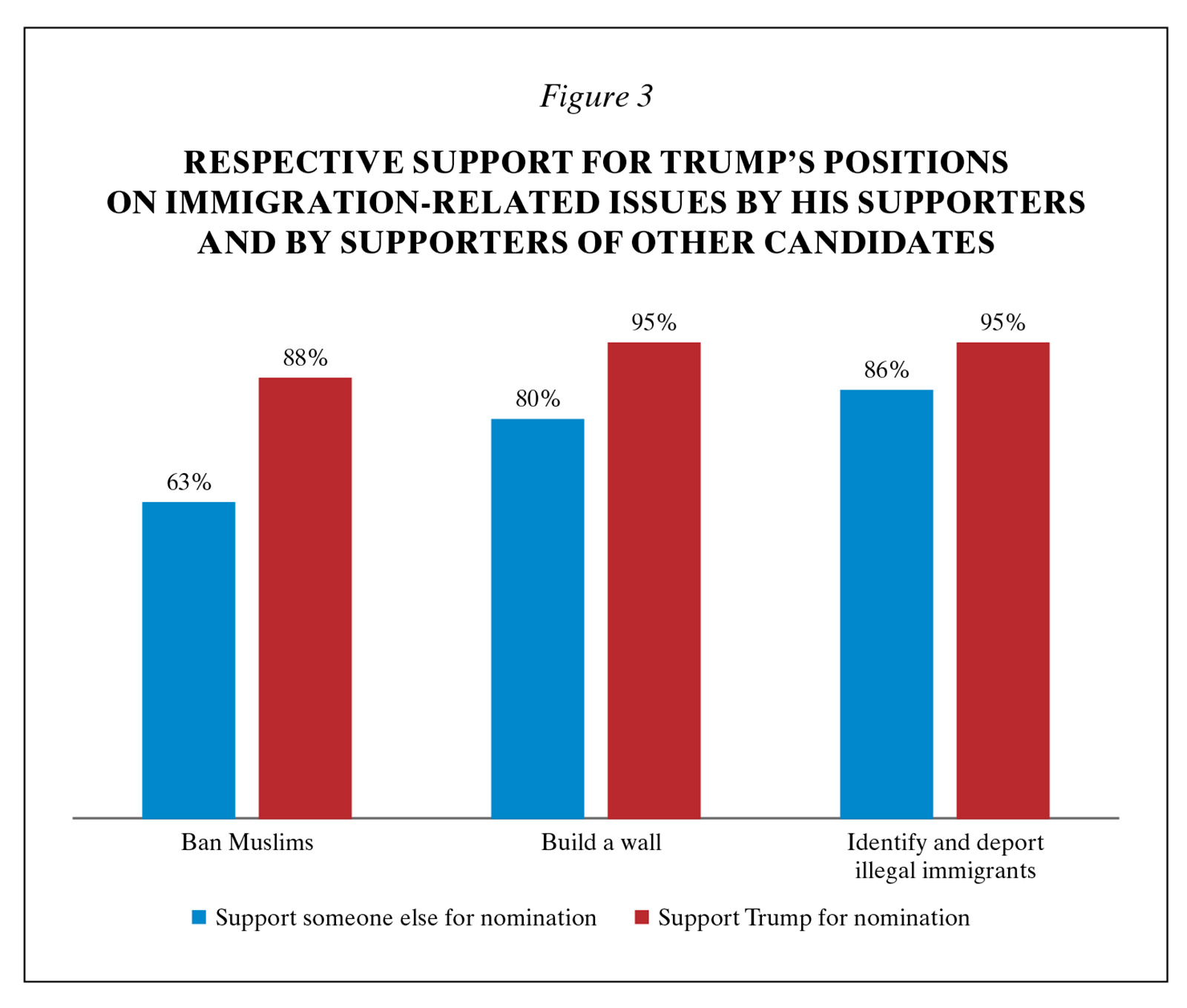
In a recent article Why Trump Was Inevitable in The New York Review of Books, the political scientists Ronald B. Rapoport, Alan I. Abramowitz, and Walter J. Stone give - finally, as I've been waiting for this quite some time - a thorough analysis why Trump has become the Republican Presidential nominee, and why by January 2016 already he was inevitable to win. I recommend this article to get a better understanding why Trump's rise was inevitable. I will limit myself to showing three figures from this article, that each speak volumes to Trump's candidacy and his views. They are based on a survey commissioned by The New York Review of Books and carried out by YouGov of a national sample of 1,000 Republicans and independents:


These figures clearly imply that Trump was by far the strongest among the Republican candidates, notwithstanding the "anyone but Trump" movement; that Republicans and Independents believe that Trump is the only Republican candidate likely to win in November; and that Trumps controversial views on immigration, the Mexican wall and Muslim visitors to the US, obviously not only are strongly supported by Trump's supporters, they are also strongly supported by supporters of his Republican competitors. In other words, Trump's views may be much more acceptable among American Republicans and, more importantly, among Independents than the main stream media and establishment voices believe. If Trump's rise to Republican nominee was inevitable, what about his chances for the elections?

Saturday, June 25, 2016

Brexit: de teloorgang van de "deskundigen"

bron: Burgercomite EU
Wat een verrassing, of beter gezegd wat een schok - de burgers van Groot Brittannië hebben afgelopen donderdag in meerderheid voor een historisch vertrek uit de Europese Unie gestemd en daarmee "om Groot Brittannië weer groot te maken", om een uitspraak vanuit de VS te lenen.

Minstens zo verrrassend als deze uitslag was dat alle zogenaamde deskundigen fout zaten in hun voorspellingen en analyses: niet alleen zaten de opiniepeilers fout  - weer, zoals ook afgelopen jaar bij het Schots onafhankelijkheidsreferendum en ook tijdens de vele Republikeinse voorverkiezingen van Donald Trump -, maar ook de Britse bookmakers  en de financiele markten. Zij allen bleken niet in staat om het onverwachte te verwachten.

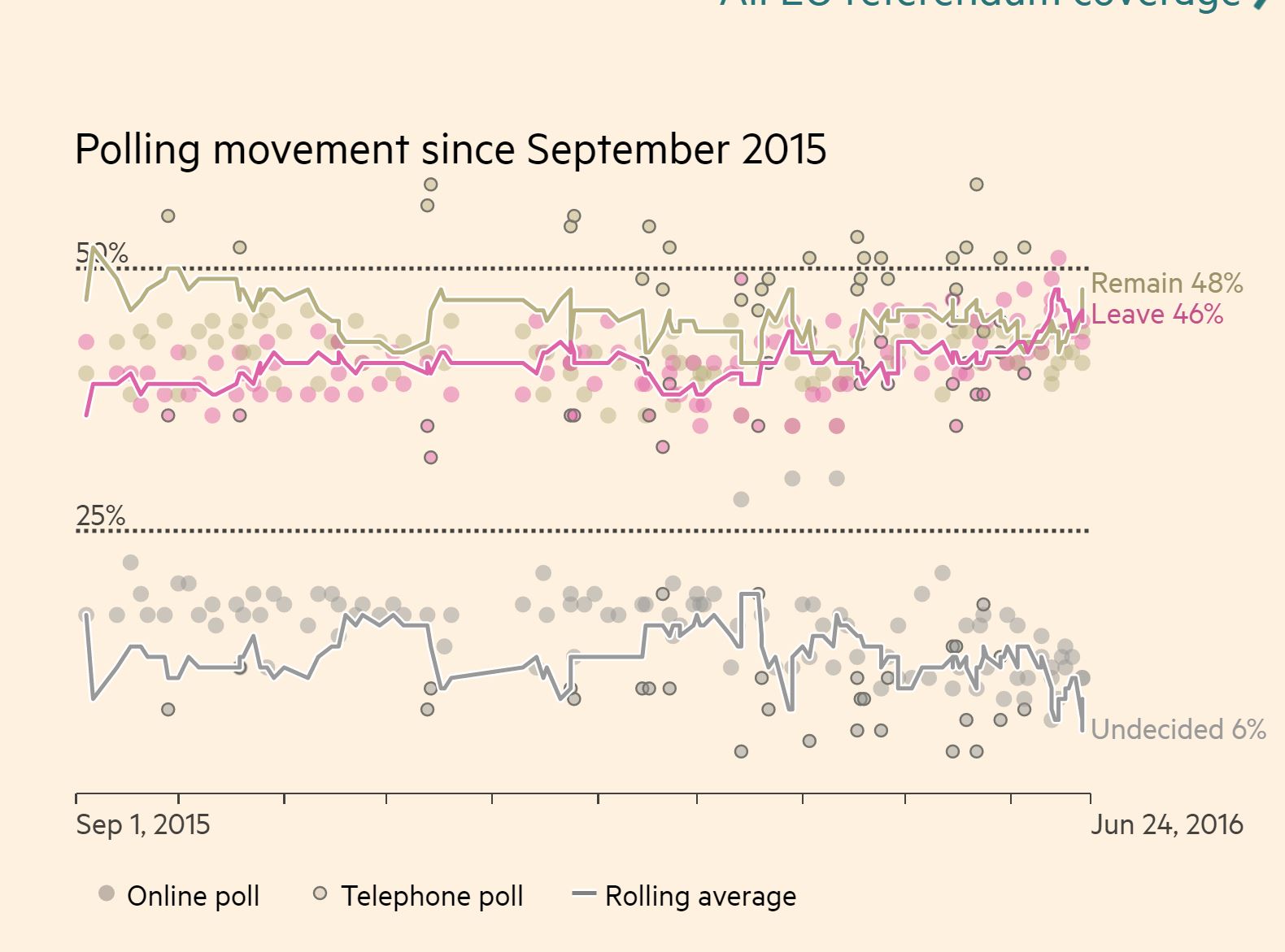
Na de tragische moord op de Britse parlementarier Jo Cox, een week voor het Brexit referendum van 23 juni, lieten de peilingen, die eerst een Brexit meerderheid verwachten, een ommekeer zien. Bremain zou de meerderheid verkrijgen. Op de nacht voor het referendum verwachtte The Financial Times Brexit poll tracker een Bremain winst van 48% - 46%.


                                                                 FT Brexit poll tracker

De immer alwetende financiele markten lieten op maandag 20 juni ook een ommezwaai zien.  Na weken van lagere standen en pessimisme, gingen plots de koersen omhoog in de verwachting dat "Bremain" zou winnen.

Daarnaast bereikte ook het gokken, het favoriete Britse tijdverdrijf, nieuwe hoogten, aldus een artikel in Business Insider,:

Friday, June 24, 2016

Brexit: Exit the "Experts"

source: Burgercomite EU
"Surprise, surprise" - or should I say "shock, shock" - the citizens of Great Britain voted yesterday in majority to leave the European Union, and make Great Britain "great again", to paraphrase another slogan.

What was equally surprising was that all the self proclaimed "experts" were wrong in their predictions and forecasts: not only professional pollsters were wrong again - see for example last year's Scottish independence referendum or the continuous miscalculations of Donald Trump's wins in the US Republican primaries -, but also the British bookmakers and the financial markets. They all were unable to expect the unexpected.

Since the tragic murder of British MP Jo Cox last week, just a week before the Brexit referendum of June 23, the already very tight polls that had been edging towards Brexit, suddenly reversed and showed a majority for Bremain. On the night before the referendum, The Financial Times Brexit poll tracker showed a 48% - 46% Bremain majority.


FT Brexit poll tracker

The almighty financial markets in their wisdom also changed their tune on Monday June 20 as they rebounded after weeks of pessimism and down-markets and became upbeat till Thursday believing a Bremain vote was imminent, as described in Market Rallies as Brexit fears wane (CNN, June 20, 2016)

Then, UK's favorite pastime, betting, went crazy as it appears from this article in Business Insider,:

Tuesday, May 24, 2016

Oudemans en de zeeslang - het voortdurende mysterie

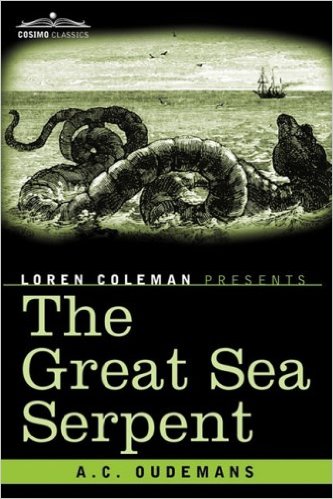
Afgelopen week publiceerde het AD een artikel, "Oudemans en de zeeslang" door Theo Paijmans dat het verhaal vertelt van Antonie Cornelis Oudemans, voormalig directeur van de Haagse Dierentuin in de vorige eeuw en zijn fascinatie met zeemonsters. In 1892 verschijnt zijn boek The Great Sea-Serpent. An Historical and Critical Treatise.

Zoals het AD artikel vermeldt:

".......Het boek van Oudemans telt meer dan 500 pagina's en wordt in Nederland en Engeland uitgegeven. In Leiden waagt de respectabele uitgeverij Brill zich er aan. Zelfs de Engelse krant The Times spreekt kort over het boek. Dat er veel studie in gestoken is, ontgaat ook de doorgaans zeer sceptische Engelse redacteuren niet, maar geloven in het bestaan van zeeslangen, dat gaat te ver. 'Een logische en biologische curiositeit', schrijft The Times en daar blijft het bij. 

De wetenschappelijke wereld neemt ook schoorvoetend kennis van het boek. Oudemans geniet aanzien, maar de ontvangst van zijn boek dat hij de titel The Great Sea Serpent heeft meegegeven, is allerminst hartelijk."

Het artikel vervolgt:

"....In een tijd ver voor Google en internet lukt het Oudemans om bijna tweehonderd ooggetuigenverslagen te verzamelen. Ook leest hij alles wat hij over het onderwerp kan vinden. Na drie jaar is het zover. Zijn boek is af en zijn conclusie is dat in de zeemonsterverhalen van zeelui meer schuilt dan kroeggesprekken van dorstige matrozen en het bijgeloof van 'landlubbers'. Er moet toch iets bestaan wat aanleiding geeft tot die verhalen, zo redeneert Oudemans...........Wetenschappers vinden het maar niks dat hij geloof hecht aan in hun ogen wilde verhalen. Oudemans houdt voet bij stuk. ,,Het was zijn eerlijke overtuiging dat het dier kon bestaan en dat de simpele bewering der zoölogen, dat het dier nog nooit was gevangen, geen afdoend bewijs voor het tegendeel vormde," vertelt een collega later.

Nadat Oudemans zijn carriere in Sneek als biologieleraar voortzet, sterft hij in 1943 en nu bijna 125 jaar na het verschijnen van zijn boek, is zijn boek The Great Sea Serpent nog steeds een standaardwerk en populair over de hele wereld (NB: dit boek is inmiddels in herdruk uitgegeven door Cosimo Classics, waarvan ondergetekende uitgever is,  met een voorwoord van de bekende Amerikaanse cryptozoöloog, Loren Coleman).


Thursday, May 12, 2016

Scathing Attack on US Elites in Salon Magazine

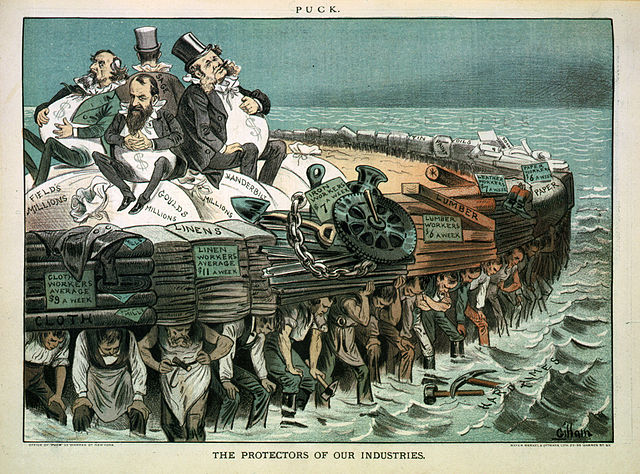
The protectors of our industries: Jay Gould, Cornelius Vanderbilt
(1883)/Commons Wikimedia
Anis Shivani, Texas based writer and critic, wrote in Salon a scathing commentary on the US elites, Our awful elites gutted America. Now they dare ring alarms about Trump, Sanders — and cast themselves as saviors

It's an interesting development when two members of the cultural elite, albeit one more conservative and the other more progressive both decry the advent of Trump, but have divergent views on the political reality on the ground: one - Shivani - moving towards the people and the other - Andrew Sullivan, conservative Anglo-US blogger -  towards the elites.  This may be a sign of the times relevant to the upcoming Brexit referendum next month, the US presidential conventions during the summer and the French, German and Dutch elections next year.

Anis Shivani starts his article with a personal attack on Andrew Sullivan, who had just proclaimed in an article in New York Magazine - Democracies end when they are too democratic - that the election of Trump would be an “extinction-level” event. 

Shivani says:

"........But the extinction Sullivan is most worried about is clearly that of his own breed of callous elites, who could care less about normal human beings who do not have decent jobs and who live in crappy housing and who are so desperate to find a way out of the trap that even someone like Trump starts sounding rational to them.....

.....No, the danger is the elites, who have made such a joke of the democratic process, who have so perverted and rotted it from within, that the entire edifice is crumbling (to the consternation of the elites). Both parties are in terminal decline after forty years of ignoring the travails of the average worker (the Republicans admit they’re in the intensive care unit, while the Democrats calling for Sanders to quit already have yet to come around to admitting that they might have the flu), and voters on both right and left have at last—and this is a breath of relief—stopped caring about the cultural distractions that have kept the elites in power. No, they want their jobs back, even if it means building a wall, keeping Muslims out, deporting the illegals, and starting trade wars with China and Japan—because what else did the elites give them, they’re still opposing a living wage!"

Then Shivani continues his criticism on Sullivan's statement that it’s all because of too much democracy:

Tuesday, May 10, 2016

Het geheim van de Trump communicatie

Donald Trump
/M.Vadon Creative Commons
Vorige maand probeerde ik in mijn blogpost "Gyrovagues and Why People Vote for Trump" te verklaren waarom zoveel Amerikaanse kiezers op Trump hadden gestemd tijdens de voorverkiezingen. Mijn verklaring, afgeleid van een artikel "How to Legally Own Another Person" van Nicolas Taleb, was dat de kiezers niet  vóór Trump zijn, maar tegen de standaard politici die al jaren noch het algemeen belang of het belang van de gewone kiezer hebben behartigd.

Nu las ik een interessant artikel op de site Frankwatching, "Psychologische trucs & hypnose: hoe Donald Trump de verkiezingen wint" van Vincent van der Burg. een deskundinge op het gebied van Neuro Linguistisch Programmeren. Na analyse van de interviews en speeches van Trump, komt van der Burg met zijn verklaring waarom kiezers op Trump stemmen, namelijk doordat ze overtuigd worden door Trump's handige gebruik van psychologische trucs. van der Burg zegt o.m.:

".....Donald Trump gebruikt in zijn communicatie doelbewust en consistent manipulatieve taalpatronen die erop gericht zijn om grote groepen kijkers en luisteraars onbewust te beïnvloeden. Niet volgens de wetten van gezond verstand, logica en ratio, maar door het aanspreken van het onderbuikgevoel en evolutionaire angsten en driften.........."

Trump maakt daarbij gebruik van 6 lessen van de grondlegger van hypnose, Milton Erickson, m.n.

Thursday, May 5, 2016

Cinco de Mayo......Mexican or American Holiday?

Batalla de Puebla, 5 de mayo de 1862
source: Wikimedia Commons.
Cinco de Mayo is celebrated throughout the U.S.......yes, that's correct,  it's celebrated in the U.S. even though most people believe it's a Mexican holiday.

What is the real story here? Wikipedia states that

" the Battle of Puebla took place on 5 May 1862, near the city of Puebla during the French intervention in Mexico. The battle ended in a victory for the Mexican Army over the occupying French forces. The Mexican victory is celebrated yearly on the fifth of May. Its celebration is regional in Mexico, primarily in the state of Puebla,where the holiday is celebrated as El Día de la Batalla de Puebla .......................this holiday remains very popular in the United States where it is celebrated yearly as Cinco de Mayo."

In the U.S., Cinco de Mayo is often mistaken to be Mexico's Independence Day, which took place on September 16, 1810, and is considered the beginning of the Mexican War of Independence, a revolt against the Spanish colonial government started by the by Miguel Hidalgo, a Mexican Catholic priest.

Next time you see a Cinco de Mayo party in American cafes or restaurants, don't expect to find too many Mexicans, unless they are from Puebla, but mostly Americans looking for a good time with margaritas and tacos.